Monday, November 24, 2025

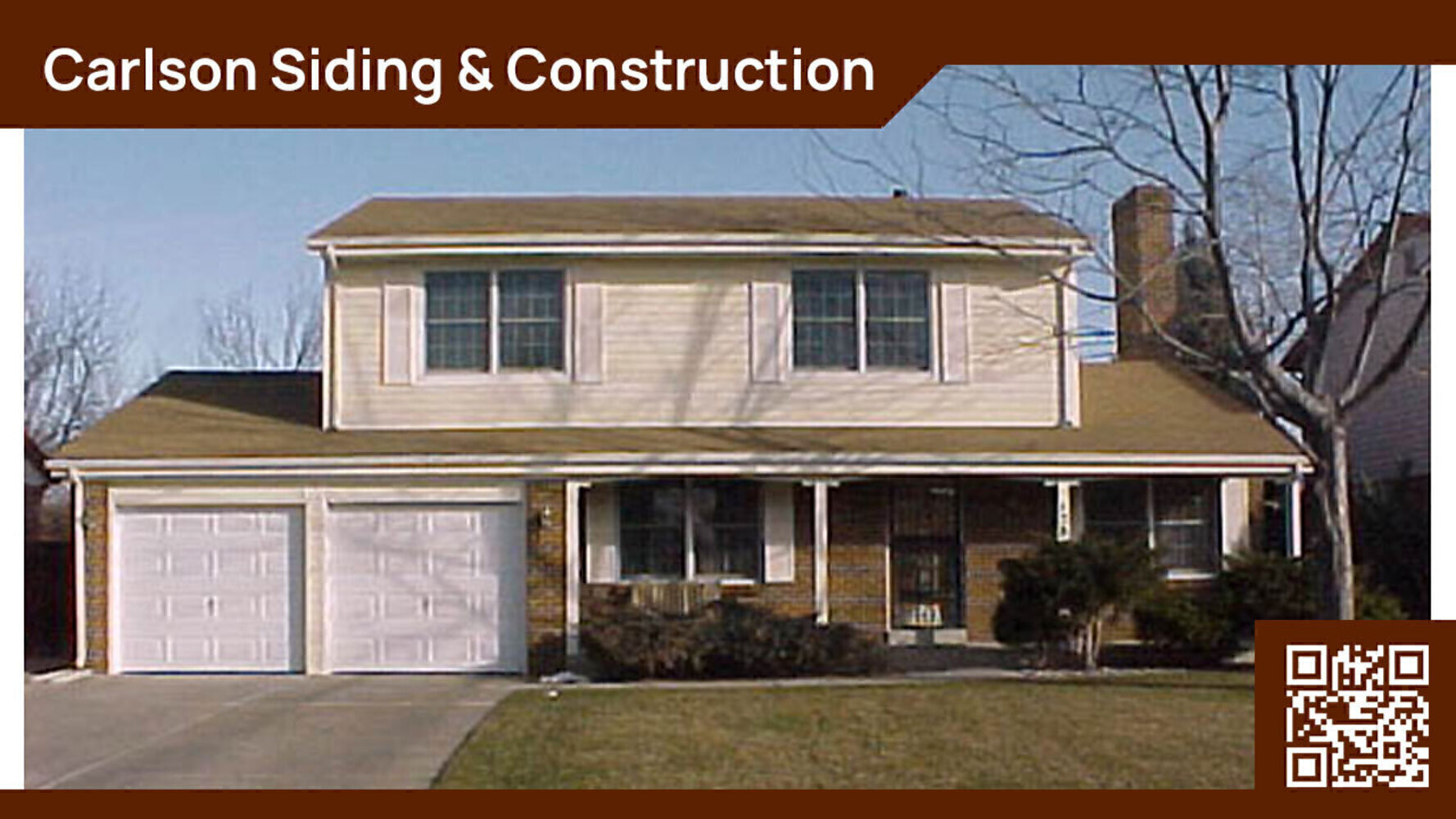
What to Look for in a Siding Contractor's Portfolio

 You've narrowed your list of potential contractors to a handful of candidates. Each one claims quality workmanship and satisfied customers. How do you separate genuine craftsmanship from marketing talk?

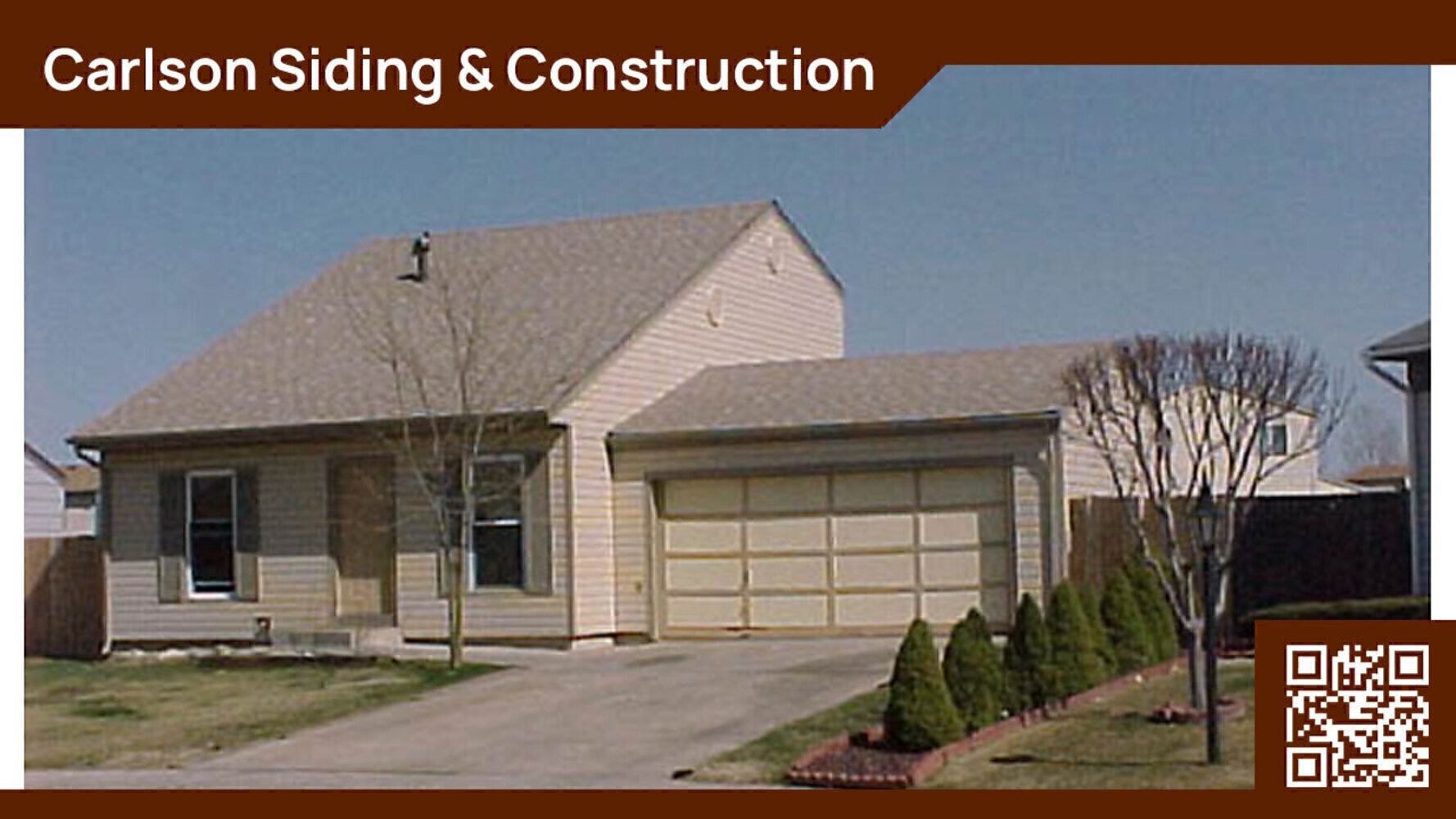
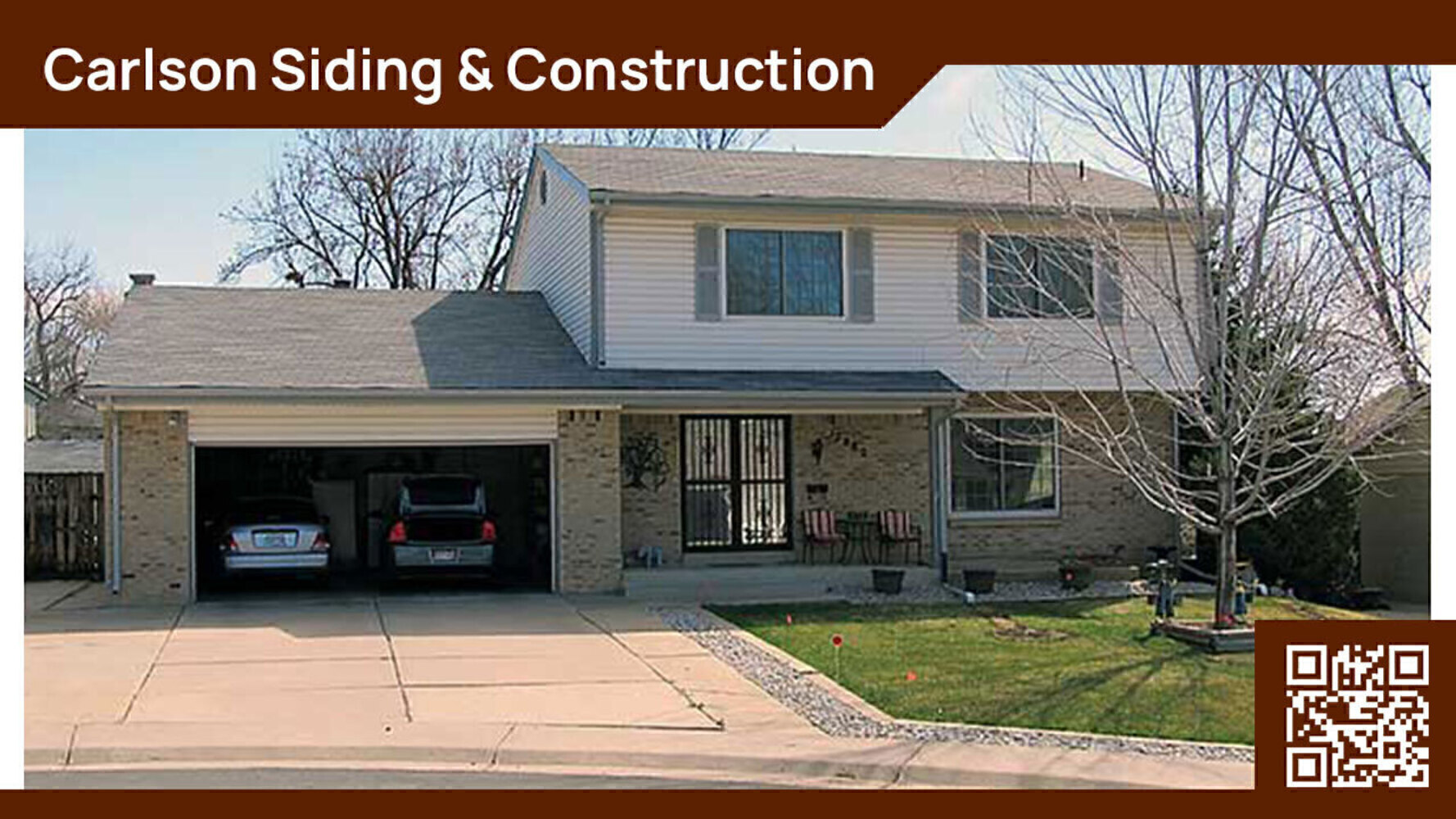
A contractor's portfolio tells stories that sales pitches cannot. Completed projects reveal technical skill, attention to detail, and consistency across different home styles. Knowing what to examine helps you spot the difference between professionals who take pride in their work and those who simply get jobs done.

Here's how to read a siding portfolio like someone who understands what quality actually looks like.

Start with Volume and Variety

How many completed projects can the contractor show you? A handful of photos suggests limited experience or selective presentation. Established companies accumulate extensive portfolios over years of continuous work.

Look for variety within that volume. Different home styles present distinct challenges. Ranch houses require different techniques than two-story colonials. Victorian-era homes with ornate trim demand skills that simple rectangular structures never test. A contractor who has handled diverse architectural styles demonstrates adaptability and broader expertise.

Geographic variety matters in Colorado specifically. Homes in Boulder's foothills face different weather exposure than properties in Westminster or Thornton. Mountain-adjacent installations deal with heavier snow loads and more extreme temperature swings. Seeing work across various Denver-area neighborhoods suggests familiarity with regional conditions.

Examine Before and After Comparisons

Quality portfolios include before and after images of the same properties. These comparisons reveal transformation scope and help you assess improvement quality.

Study the before photos carefully. What condition was the existing siding in? Severely deteriorated exteriors often hide structural problems beneath. A contractor willing to show challenging starting points demonstrates confidence in handling complex situations.

After photos should depict clean, finished results with consistent lines and proper detailing. Zoom in mentally on corners, window frames, and transition points. These areas expose craftsmanship differences most clearly.

Be wary of portfolios showing only after shots. Without context, impressive-looking results might represent straightforward installations on newer homes rather than skilled transformations of problematic properties.

Pay Attention to Detail Shots

Wide-angle photos of finished homes look attractive but hide technical quality. Request close-up images of specific elements where skill differences become visible.

Corner treatments deserve particular attention. Outside corners should show perfectly vertical lines without gaps between posts and adjacent panels. Inside corners require different approaches and similar precision. Sloppy corner work creates both aesthetic problems and potential water entry points.

Window and door surrounds reveal installer competence clearly. J-channels should fit tightly against frames with uniform reveals. Caulking lines need to appear clean and consistent rather than globbed or uneven. Flashing, though often hidden, sometimes appears in detail shots and indicates proper weatherproofing technique.

Soffits and fascia complete the picture along rooflines. These elements require careful fitting around gutters, vents, and architectural features. Rushed installations show gaps, misalignments, or visible fasteners that quality work conceals.

Look for Challenging Installations

Any crew can handle straightforward rectangular walls. Complex architectural features separate skilled contractors from average ones.

Dormers present particular challenges. Multiple angled surfaces meet at peaks requiring precise cutting and fitting. Water management around dormer walls demands proper flashing technique. Portfolios showing clean dormer work indicate crews comfortable with complexity.

Bay windows and bump-outs create similar tests. These projections interrupt flat wall planes with multiple corners and transitions. Poorly executed bay window surrounds look obviously amateur from street level.

Mixed material applications demonstrate advanced capability. Some homes feature fiber cement on main walls with board-and-batten accents or stone veneer sections. Coordinating different materials while maintaining weather protection requires experience beyond basic panel installation.

Assess Consistency Across Projects

Quality contractors maintain standards regardless of project scale or client budget. Compare results across different homes in the portfolio.

Do modest ranch houses receive the same attention to detail as larger custom properties? Corners on a $15,000 project should look as clean as those on a $40,000 installation. Contractors who deliver inconsistent quality based on job size will likely classify your project somewhere on that spectrum.

Timeline matters too. Ask when various portfolio projects were completed. A contractor showing only recent work might lack long-term track record. Seeing quality installations from five or ten years ago suggests sustained commitment to standards.

Request Project-Specific Information

Photos tell part of the story. Additional context fills important gaps.

Ask about materials used on projects you find impressive. Knowing whether striking results came from premium James Hardie fiber cement, quality vinyl like ASCEND by Alside, or budget materials helps you understand what to expect at various price points.

Project duration information reveals efficiency. How long did that two-story colonial take from start to completion? Excessively long timelines suggest disorganized crews or complications from poor planning.

Challenge history provides valuable insight too. Ask what problems arose during specific projects and how the contractor resolved them. Every exterior renovation encounters surprises. How companies handle unexpected issues matters as much as performance under ideal conditions.

Verify Portfolio Authenticity

Unfortunately, some contractors display work they didn't actually perform. Stock photos from manufacturers, images borrowed from other companies, or pictures from subcontracted jobs sometimes appear in misleading portfolios.

Several verification approaches help confirm authenticity. Ask for addresses of completed projects you could drive by to see in person. Legitimate contractors with satisfied customers welcome this request. Those with fabricated portfolios deflect or make excuses.

Cross-reference with online reviews. Customers who post detailed testimonials sometimes include photos matching portfolio images. Consistency between independent reviews and company-presented work builds confidence.

Request references from specific portfolio projects. Speaking with homeowners whose installations appear in marketing materials provides direct verification while offering candid feedback about the actual experience.

Watch for Red Flags

Certain portfolio characteristics suggest potential problems worth noting.

Extremely small portfolios from contractors claiming years of experience raise questions. Where did all those previous projects go? Companies proud of their work accumulate documentation over time.

Portfolios featuring only one material type might indicate limited capability. A contractor showing exclusively vinyl installations may lack experience with fiber cement or other options you're considering.

Absence of detail shots often means those details don't hold up to examination. Contractors confident in their craftsmanship happily show close-ups. Those hiding technique deficiencies keep cameras at a distance.

Heavily filtered or edited photos warrant skepticism. Some post-processing improves image quality legitimately. Excessive manipulation might disguise flaws that appeared in original documentation.

What Quality Craftsmanship Looks Like

Knowing specific markers of excellent work helps you assess portfolios more effectively.

Straight horizontal lines indicate proper installation technique. Siding courses should run parallel across entire wall sections without visible waviness or deviation. Achieving this consistency requires attention to starter strips, level checking throughout installation, and adjustment for imperfect underlying surfaces.

Uniform panel spacing shows manufacturer guidelines were followed. Most siding products require specific gaps between panels to accommodate thermal expansion. Panels butted too tightly buckle in summer heat. Excessive spacing looks sloppy and allows moisture penetration.

Clean cuts around obstacles demonstrate precision. Electrical meters, hose bibs, vents, and other penetrations require careful fitting. Rough cuts or visible gaps around these elements indicate rushed work.

Invisible fasteners reflect proper technique. Face-nailed panels should show fasteners only where unavoidable and necessary. Excessive visible nailing suggests inexperience or carelessness.

How Our Portfolio Reflects Our Standards

At Carlson Siding & Construction, we've documented completed projects across the Denver metro area for over thirty years. Our portfolio includes homes throughout Arvada, Boulder, Brighton, Broomfield, Thornton, Westminster, and surrounding communities.

Rob Carlson personally oversees every installation, maintaining consistent quality whether we're working on a compact townhome or an expansive custom residence. That hands-on involvement shows in the details visible throughout our completed work.

We welcome examination of our portfolio at any level of scrutiny. Drive by completed projects to see results in person. Speak with homeowners whose installations we've documented. Examine close-up images of corners, windows, and finishing details. Our craftsmanship holds up to careful inspection because quality workmanship has defined our approach since 1994.

Beyond the Portfolio

A strong portfolio provides essential evidence of capability. Combine that assessment with other verification steps for complete confidence.

Confirm licensing and insurance independently rather than accepting verbal assurances. Check online reviews across multiple platforms for consistent feedback patterns. Ask about warranty coverage for both materials and labor. Verify the contractor will personally oversee your project rather than delegating to unknown subcontractors.

The portfolio gets you to the shortlist. These additional checks confirm your final selection.

Ready to See Our Work?

Contact Carlson Siding & Construction to review our portfolio and discuss your project. We'll share completed installations similar to your home's style, explain the materials and techniques we recommend, and provide references from satisfied customers.

Call 720-837-4725 or reach out online to schedule your free consultation. Rob Carlson will personally meet with you, examine your property, and answer every question about our approach, our experience, and our results.


Related Articles:

Friday, September 19, 2025

LP SmartSide vs. James Hardie: Which Siding is Best for the Arvada Climate?

When you're choosing new siding for your Arvada home, you're not just making an aesthetic decision; you're investing in protection against Colorado's unique and often punishing climate. With very high heat risk, high drought risk, and significant precipitation risk, along with about 62% of buildings at risk of wildfire, Arvada homeowners need siding that can handle extreme temperature swings, intense UV exposure, hail storms, and wildfire threats.

Two premium siding materials consistently rise to the top for Colorado homes: LP SmartSide and James Hardie fibre cement. But which one is truly best suited for Arvada's demanding climate? Let's break down how each performs against the specific weather challenges you face in Jefferson County.

Understanding Arvada's Climate Challenges

Before diving into the comparison, it's crucial to understand what your siding will be up against. Arvada experiences significant temperature shifts throughout the year, with average maximum daytime temperatures ranging from a very warm 32°C in July to a chilly 7°C during cooler months like December. Night temperatures can plummet to around -8°C during December.

The climate presents several key challenges for siding materials:

  • Extreme temperature fluctuations that cause expansion and contraction
  • High altitude and intense UV exposure that can fade and degrade materials
  • Hailstorms with potential for golf ball-sized ice
  • Wildfire risk affecting a significant portion of the city
  • Freeze-thaw cycles that can crack and damage inferior materials
  • Low humidity and dry conditions year-round

James Hardie: The Fibre Cement Champion

What Makes James Hardie Special?

James Hardie siding is made from a combination of cement materials and cellulose fibres, with the material being 90 per cent sand and cement. This fibre-cement composition provides it with remarkable durability against Colorado's harsh conditions.

How James Hardie Performs in Arvada's Climate

Temperature Extremes: James Hardie siding excels in resisting weather elements, including extreme heat, cold, and moisture. The fibre cement composition handles Arvada's dramatic temperature swings without warping, cracking, or splitting.

UV Resistance: It is designed to hold up to punishing ultraviolet light, and it won't rot, split, warp or curl, critical for Arvada's high-altitude sun exposure.

Fire Resistance: James Hardie siding is fire-resistant, meaning it will not catch fire even if exposed to hot temperatures. With Arvada's significant wildfire risk, this could be a game-changer for insurance rates and peace of mind.

Wind Resistance: The company claims that its siding can withstand winds up to 130 mph, efficiently handling Colorado's windstorms.

Longevity: James Hardie typically offers a lifespan of 40 to 50 years, making it an excellent long-term investment.

James Hardie Considerations for Arvada

Hail Performance: While durable, James Hardie siding has good impact resistance, but is more brittle compared to LP SmartSide. While it can withstand impacts, it is more likely to crack or chip than LP Smartside. In a hail-prone area like Colorado, this could be a concern.

Installation Challenges: Fibre cement siding is significantly heavier, which increases installation requirements and makes it essential to opt for professional installation. Colorado's challenging weather conditions during installation seasons can complicate projects.

LP SmartSide: The Engineered Wood Alternative

What Makes LP SmartSide Different?

LP SmartSide siding is made from a proprietary blend of wood strands or fibres bonded with resins and treated with zinc borate, which dramatically enhances the wood's resistance to moisture, termites, and fungal decay.

How LP SmartSide Performs in Arvada's Climate

Impact Resistance: This is where LP SmartSide shines for Colorado conditions. One area where LP SmartSide slightly outperforms James Hardie is in impact resistance, which is definitely a plus if you live in a hail-prone state. Engineered wood stands up to impact and survives freeze/thaw cycles due to resins that offer incredible strength.

Moisture Protection: Designed to resist moisture, waxes coat each strand to offer enhanced durability in humid environments, and includes a final element of protection that resists moisture intrusion.

Temperature Performance: LP SmartSide siding is uniquely engineered for advanced durability and handles temperature fluctuations well, though not quite to the same extent as fibre cement.

Installation Advantage: LP SmartSide is lighter and easier to install than James Hardie, reducing labour costs and installation time, particularly valuable during Colorado's limited construction weather windows.

LP SmartSide Considerations for Arvada

Fire Resistance: LP SmartSide does not perform as well as fibre cement siding products under high heat or exposure to ultraviolet light. With Arvada's wildfire risk, this is a significant consideration.

Longevity: LP SmartSide siding also boasts a long lifespan, typically ranging from 20 to 30 years, which is shorter than James Hardie's but still excellent.

UV Exposure: While treated for UV resistance, it may not match fibre cement's performance under Colorado's intense, high-altitude sun over decades.

Cost Comparison for Arvada Homeowners

Both James Hardie and LP SmartSide siding cost approximately $31–$36 per square foot, including labour. However, LP SmartSide may offer some cost advantages:

  • Lower installation labour costs due to lighter weight
  • LP SmartSide offers a lower initial cost compared to James Hardie
  • Faster installation reduces weather-related project delays

Warranty Protection

Both materials offer strong warranty coverage:

  • LP SmartSide is backed by a 30-year non-prorated warranty
  • James Hardie provides a robust 30-year warranty on its siding products

The Verdict: Which is Best for Arvada?

Choose James Hardie if:

  • Wildfire risk is your primary concern
  • You want maximum longevity (40-50 years)
  • UV resistance is crucial for your home's exposure
  • You prioritise fire insurance benefits
  • You don't mind higher installation complexity and costs

Choose LP SmartSide if:

  • Hail damage is your biggest worry
  • You want an easier, faster installation
  • You prefer a more authentic wood appearance
  • Budget is a primary consideration
  • You're comfortable with a 20-30 year lifespan

Why Professional Installation Matters in Arvada

Regardless of which material you choose, Colorado's challenging climate demands expert installation. Poor installation can negate even the benefits of the best siding materials. Standard siding materials and installation techniques often fall short when confronted with Colorado's high altitude, intense sun exposure, and dramatic temperature swings.

Your Next Step: Partner with Arvada's Siding Experts

When it comes to protecting your Arvada home against Colorado's demanding climate, you need more than just quality materials; you need local expertise. Carlson Siding and Construction brings over 30 years of experience specifically combating the unique challenges of Colorado's climate.

Carlson Siding & Construction has been leveraging its extensive experience to introduce upgraded materials and refined installation techniques specifically designed to protect homes from the unique and often harsh Colorado climate. They understand precisely how both LP SmartSide and James Hardie perform in Arvada's conditions and can help you make the best choice for your specific situation.

Don't leave your home's protection to chance. Whether you're leaning toward James Hardie's superior fire resistance and longevity or LP SmartSide's excellent impact resistance and value, Carlson Siding and Construction can ensure your installation meets the demands of Arvada's challenging climate.

Ready to protect your home with the right siding choice? Contact Carlson Siding and Construction today for a consultation. Their local expertise and three decades of Colorado experience will ensure your siding investment performs beautifully for years to come, no matter what Arvada's climate throws at it.


Protect your investment. Choose your materials wisely. Install with experts who understand Colorado. That's the Carlson Siding and Construction difference.


Saturday, August 16, 2025

Standard post published to Carlson Siding & Construction at August 16, 2025 18:00


For homeowners in Arvada who are looking to upgrade their siding without breaking the bank, you’ll find a variety of cost-effective siding solutions that offer both affordability and durability. One of the most affordable siding materials is vinyl, because it’s durable, available in many colors, and requires little maintenance. Steel siding, while slightly more expensive than vinyl, provides unmatched strength and is resistant to impacts. This makes it a great option for homes in areas prone to extreme weather conditions. Another affordable yet durable option is composite cladding, such as ASCEND®, which blends the appearance of wood with the low-maintenance and durability of contemporary siding. For those looking to save on energy costs, insulated siding like Alside’s Prodigy® Insulated Siding is an excellent investment, as the energy savings over time can more than make up for the higher initial cost. With the help of a reliable contractor like Carlson Siding, homeowners can select the best siding solution that balances cost and quality, ensuring long-term value and protection.

https://ift.tt/s2aNLVf


Learn more


from GMB Posts For Location "Carlson Siding & Construction" https://ift.tt/OnfHRcE
via IFTTT

Friday, August 15, 2025

Standard post published to Carlson Siding & Construction at August 15, 2025 18:00


Knowing when to replace your siding can be difficult, but certain signs clearly suggest it’s time for an update. One of the most obvious signs is visible damage, such as cracked, warped, or rotting siding panels. This kind of damage affects both the aesthetics of your home and can lead to more significant problems, such as moisture intrusion and damage to your home’s structure. Another sign to watch for is peeling or bubbling paint, which suggests water may be getting behind the siding, leading to damage beneath the surface. If you find yourself repainting frequently, it may mean your siding isn’t holding up well against the elements. In this case, it may be more cost-effective to replace it with a low-maintenance option like vinyl or steel siding. Additionally, rising energy bills can suggest that your siding is no longer providing adequate insulation. Damaged siding often leads to drafts or difficulty maintaining a comfortable indoor temperature. Handling siding problems early can save on repairs and enhance both the efficiency and appearance of your home.

https://ift.tt/gFd3Lku


Learn more


from GMB Posts For Location "Carlson Siding & Construction" https://ift.tt/CeMd1S4
via IFTTT

Thursday, August 14, 2025

Standard post published to Carlson Siding & Construction at August 14, 2025 18:00


Selecting the best siding contractor is one of the most important decisions for your home’s exterior project. Given Arvada’s demanding weather, choosing a contractor who knows quality siding is essential, it’s crucial to work with a contractor experienced in various siding materials and familiar with local climate challenges. The first step is to research contractors with proven reliability and a track record of craftsmanship. Look for customer reviews and testimonials that highlight their quality of service. Make sure the contractor is properly licensed and insured for your protection, which ensures both homeowner and worker protection in case of accidents. When evaluating contractors, ask for a portfolio of previous projects to get a sense of their range of skills and design capabilities. Make sure to collect several estimates to compare pricing and services. A thorough estimate should break down the costs for materials, labor, and extra services like cleanup or old siding removal. Finally, don’t be afraid to ask questions about warranties, materials, and installation techniques. A good contractor will be open, communicative, and willing to guide you in making the right decision.

https://ift.tt/be6Vj9R


Learn more


from GMB Posts For Location "Carlson Siding & Construction" https://ift.tt/cA89aIK
via IFTTT

Wednesday, August 13, 2025

Standard post published to Carlson Siding & Construction at August 13, 2025 18:00


The process of installing siding can be more detailed than homeowners anticipate, but with a professional contractor, it becomes a straightforward and stress-free experience. In Arvada, the first step of siding installation involves a thorough inspection of your home’s current exterior, to check for potential problems such as water damage or structural faults. If your existing siding needs to be removed, the contractor will carefully strip it away, preparing the surface for new materials. After the old siding is removed, the contractor will inspect the home’s insulation and vapor barriers, making any necessary adjustments to improve energy efficiency. After preparation, the contractor will begin the precise installation of the new siding, ensuring that each panel is perfectly aligned and securely fastened to the house. Throughout the installation, key areas like windows, doors, and openings are carefully addressed, to guarantee a weatherproof and airtight seal. The installation process can take several days depending on the home’s size and the type of siding selected. However, with an experienced contractor, disruptions to your daily routine are kept to a minimum. When the installation is finished, your home will boast a beautiful, long-lasting new exterior.

https://ift.tt/E5MkjDL


Learn more


from GMB Posts For Location "Carlson Siding & Construction" https://ift.tt/2ajQRsN
via IFTTT

Monday, August 11, 2025

Standard post published to Carlson Siding & Construction at August 11, 2025 18:00


Homeowners in Arvada have access to a wide array of siding materials, each with its own set of benefits based on the home's needs and aesthetic tastes. Vinyl siding remains one of the most popular options because it is affordable, durable, and easy to maintain. Homeowners can find it in various colors and textures, enabling homeowners to create a personalized appearance at a reasonable cost. Steel siding is also a fantastic choice, for homeowners seeking additional protection from severe weather conditions. It is incredibly strong, resistant to impacts, and offers long-lasting durability. For those looking for environmentally friendly options, ASCEND® Composite Cladding by Alside combines the natural beauty of wood with low-maintenance, high-durability benefits. This type of cladding is both environmentally responsible and aesthetically pleasing, making it an ideal option for those wanting a blend of style and environmental responsibility. Reinforced vinyl siding, such as Alside’s Charter Oak® siding, also provides an extra layer of durability without sacrificing the traditional look of siding. With such a wide range of options, homeowners can work with their contractor to select the siding that best fits their home’s aesthetic and functional requirements.

https://ift.tt/n6VO4wM


Learn more


from GMB Posts For Location "Carlson Siding & Construction" https://ift.tt/C1VU29l
via IFTTT

What to Look for in a Siding Contractor's Portfolio

 You've narrowed your list of potential contractors to a handful of candidates. Each one claims quality workmanship and satisfied custom...